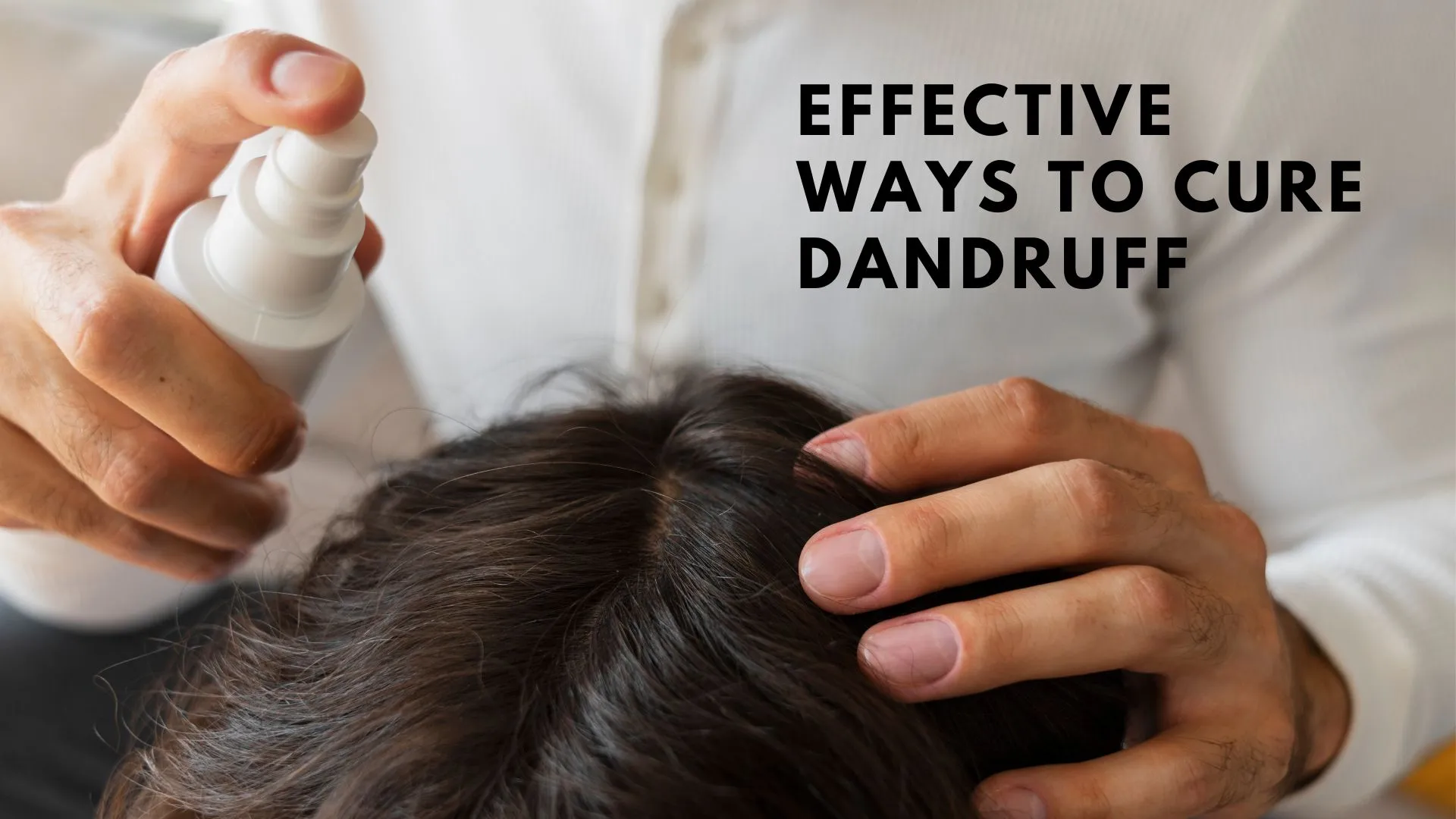
11 Effective Ways to Cure Dandruff and Achieve a Healthy Scalp

Quick answer: Dandruff is usually caused by dry skin, excess oil, or a yeast-like fungus — and it’s very treatable. Anti-dandruff shampoos with pyrithione zinc or ketoconazole work fastest; tea tree oil, apple cider vinegar, and aloe vera help as natural options. Most people see improvement within 2–4 weeks of consistent treatment.
Dandruff — those white flakes on your shoulders — is one of the most common scalp conditions, and it can be both embarrassing and uncomfortable. The good news: there are numerous proven ways to combat it and restore your scalp’s health. In this updated guide, we walk through 11 effective methods, from natural remedies to the right shampoos to lifestyle changes. Say goodbye to the flakes and hello to a healthy, comfortable scalp.
Last updated: October 2026. The core advice below is evergreen, but we’ve cleaned up, reorganized, and refreshed this guide so it’s easier to follow.
1. Understand What Causes Your Dandruff
Dandruff can be caused by various factors, such as dry skin, seborrheic dermatitis, fungal infections, or even sensitivity to hair care products. It’s essential to understand the root cause of your dandruff to determine the most suitable treatment. If flakes persist despite home care, consulting a dermatologist can help identify the specific cause and guide you toward the right solution.
2. Tea Tree Oil: Nature’s Antifungal Remedy
Tea tree oil, renowned for its antifungal and antibacterial properties, can effectively combat dandruff caused by fungal infections. Dilute a few drops of tea tree oil with a carrier oil like coconut or jojoba oil and gently massage it into your scalp. Leave it on for about 30 minutes before rinsing thoroughly. Regular use can help alleviate dandruff symptoms and restore scalp health.
3. Apple Cider Vinegar: Balance Your Scalp’s pH
Apple cider vinegar (ACV) is a natural remedy that can restore the pH balance of your scalp and combat dandruff-causing fungus. Mix equal parts of ACV and water, and after shampooing, apply the solution to your scalp. Leave it on for a few minutes, then rinse thoroughly. Adding this routine to your hair care regimen can significantly reduce dandruff and soothe the scalp.
4. Aloe Vera: Soothe the Irritation
Aloe vera, with its soothing and moisturizing properties, can provide relief from dandruff-related itchiness and irritation. Extract the gel from an aloe vera leaf and apply it directly to your scalp. Leave it on for about 20 minutes before rinsing off. Regular application can help calm the scalp, reduce flaking, and promote a healthier scalp environment.
5. Manage Stress
Stress can contribute to dandruff flare-ups, as it affects the overall health of your body, including your scalp. Incorporate stress management techniques into your daily routine, such as meditation, yoga, or engaging in hobbies you enjoy. Lower stress levels mean a calmer scalp — and fewer flakes.
6. Eat for Your Scalp
A well-balanced diet rich in vitamins, minerals, and omega-3 fatty acids promotes scalp health from the inside out. Include fatty fish, nuts, seeds, fruits, and vegetables in your meals to feed your scalp and hair follicles the nutrients they need. If you’re working on healthier eating overall, our guide on weight loss with dieting and exercise covers the same whole-food foundations that benefit your skin and scalp too.
7. Choose the Right Anti-Dandruff Shampoo
Selecting the right shampoo is vital. Look for shampoos containing proven active ingredients like pyrithione zinc, selenium sulfide, or ketoconazole, specifically formulated to fight dandruff. Use them consistently and follow the instructions on the label. If one active ingredient stops working after a few months, try rotating to a shampoo with a different one — scalps can adapt.
8. Exfoliate Your Scalp Gently
Exfoliating the scalp helps remove dead skin cells and prevents the buildup that becomes visible dandruff. Use a gentle scalp scrub or a soft brush to massage your scalp in circular motions. This stimulates blood flow and keeps the scalp healthy. Go easy, though — excessive scrubbing irritates the scalp and makes flaking worse.
9. Stay Hydrated
Proper hydration supports overall health, including your scalp. Drink an adequate amount of water daily, and use a moisturizing conditioner after shampooing to lock in moisture and prevent the dryness that leads to flaking.
10. Wash Smart, Not More
Good scalp hygiene prevents the oil and dead-skin buildup behind most dandruff. Wash regularly — but don’t overdo it. Over-washing strips the scalp’s natural oils, causing dryness that triggers the very flaking you’re trying to stop. Find your balance: most people do well with 2–4 washes per week, adjusted for hair type.
11. See a Dermatologist When Needed
If home remedies and lifestyle changes don’t deliver results within a couple of months, see a dermatologist. They can assess whether you’re dealing with simple dandruff or something that needs prescription treatment — like seborrheic dermatitis, psoriasis, or eczema — and give you a targeted plan. Professional guidance is invaluable when drugstore options stall.
FAQs about Dandruff
Can dandruff be contagious?
Dandruff itself is not contagious. However, certain fungal infections causing dandruff can spread from person to person through shared items like combs, hats, or pillows.
Is dandruff only an issue during the winter months?
No, dandruff can occur at any time of the year. While dry winter air can exacerbate dandruff symptoms, it can persist throughout the year due to various causes.
Can stress worsen dandruff?
Yes, stress can trigger or worsen dandruff. Stress affects the body’s immune system and can disrupt the scalp’s natural balance, leading to increased dandruff.
Are natural remedies effective in treating dandruff?
Yes, natural remedies like tea tree oil, apple cider vinegar, and aloe vera can be effective in treating dandruff. However, results may vary for each individual, and it’s essential to find the right remedy that works for you.
How long does it take to cure dandruff?
The time it takes to cure dandruff varies from person to person. With consistent treatment and lifestyle changes, most individuals see an improvement within a few weeks to a couple of months.
Can dandruff cause hair loss?
Dandruff itself does not directly cause hair loss. However, severe and persistent scratching due to an itchy scalp can damage hair follicles, leading to hair breakage. Treating dandruff promptly can help prevent this issue.