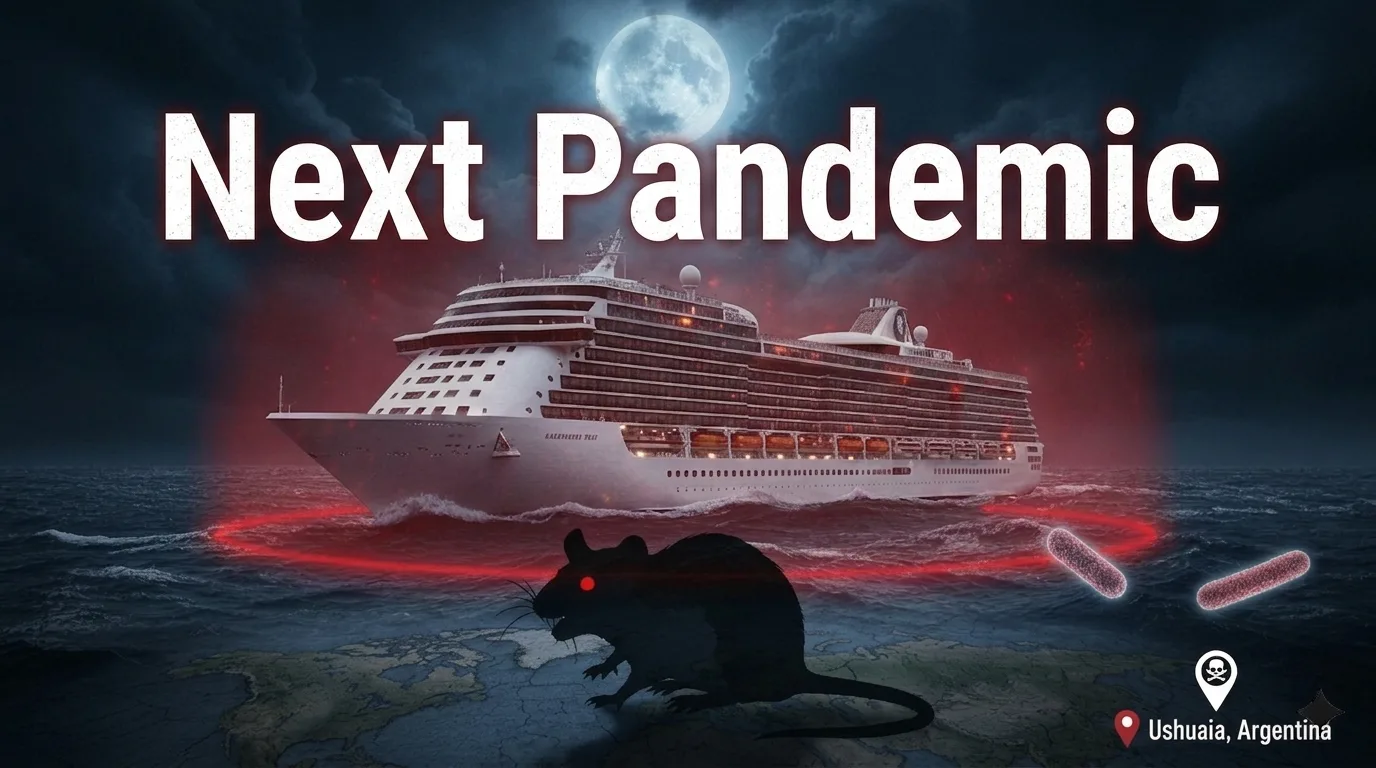
Deadly Hantavirus Outbreak Strikes Cruise Ship: A Modern Maritime Mystery

What began as a bucket-list excursion to the pristine landscapes of Antarctica and the remote islands of the South Atlantic has spiraled into a global health crisis. On April 1, 2026, a cruise ship carrying 150 souls from 23 nations departed Ushuaia, Argentina. Within days, the dream voyage transformed into a scene of maritime terror as a mysterious, lethal illness began claiming lives in the middle of the ocean.
At The San, we believe that transparency and factual reporting are the best tools against panic. While the headlines are alarming, the science behind this specific outbreak tells a more nuanced story.
The Crisis Unfolds: A Timeline of Tragedy
The first sign of trouble appeared on April 11. A 70-year-old Dutch passenger became the outbreak’s first victim, passing away from rapid respiratory failure. The tragedy quickly extended to land: his wife, who disembarked at the remote island of Saint Helena, collapsed and died at an airport in South Africa while desperately trying to return home to Amsterdam.
By May 2, as more passengers fell ill and the death toll rose, health authorities officially identified the culprit: Hantavirus.
The vessel, now a floating quarantine zone, spent days as a “ship without a port” as multiple nations refused docking permissions. It wasn’t until May 10 that the ship finally docked at Tenerife in the Canary Islands, allowing for emergency evacuations and the start of a complex international quarantine.
Understanding Hantavirus: HFRS vs. HPS
While the name sparked immediate global concern, experts emphasize that Hantavirus is a known, though rare, family of viruses primarily carried by rodents. It generally presents in two distinct clinical forms:
- HFRS (Hemorrhagic Fever with Renal Syndrome): Predominantly found in Asia and Europe, this strain targets the kidneys and can cause internal bleeding.
- HPS (Hantavirus Pulmonary Syndrome): Common in the Americas, this is the version currently causing alarm. It causes the lungs to fill with fluid, often leading to fatal suffocation.
The “Andes” Factor: Why This Outbreak is Different
Most Hantavirus strains are not known to spread from human to human. However, the specific strain involved in this cruise outbreak is the Andes virus (ANDV).
Found primarily in South America, the Andes virus is unique: it is the only strain documented to spread via direct, prolonged human-to-human contact. This explains why the virus was able to move between close contacts in the confined quarters of a cruise ship.
Recent research suggests that while human transmission is possible, it typically requires a high viral load and very close physical proximity, such as sharing a cabin or being a primary caregiver.
The Silver Lining: Why This Isn’t COVID-26
Despite the fear, there is reason for calm:
- Not Truly Airborne: Unlike COVID-19, this virus does not stay suspended in the air for long periods. Transmission is usually through aerosolized droplets from rodent waste or very close human contact.
- Short Window: It has a relatively narrow transmission window, making a wide-scale global pandemic highly unlikely.
- High Individual Risk, Low Global Risk: While the mortality rate for those infected can be as high as 50%, it does not spread easily enough to threaten the general population.
If you are a traveler or digital nomad worried about global health trends, it’s worth staying updated on our how to make money online in 2026 guide, where we discuss the importance of digital security and personal health in a remote-first world.
How to Protect Yourself: Evidence-Based Prevention
With no current vaccine or curative treatment, your best defense is rodent control and hygiene. If you are a freelancer working from remote cabins or rustic environments, follow the Architect Framework for safety:
- Seal Your Home: Use steel wool or cement to seal holes where mice might enter. Mice can squeeze through gaps as small as a pencil!
- Safe “Wet” Cleaning: Never sweep or vacuum rodent droppings. This kicks viral particles into the air. Instead, spray the area with a bleach solution (1 part bleach to 9 parts water) and use a wet paper towel while wearing gloves.
- Protective Gear: If cleaning an area prone to mice, such as a shed or attic, wear an N95 mask.
For more tips on maintaining a professional and safe environment while working remotely, see our Freelancing Tips & Architect Framework.
Interactive FAQ: Fast Facts
Is Hantavirus the next COVID-19? No. Because it lacks easy airborne transmission and requires very close contact, it is unlikely to trigger a widespread pandemic.
What are the early symptoms? Early signs mimic the flu: fever, muscle aches (especially in the thighs and back), and fatigue. According to the CDC Hantavirus factsheet, these symptoms can appear 1 to 8 weeks after exposure.
How is it normally caught? Most people catch it by breathing in dust contaminated with the urine, droppings, or saliva of infected wild rodents, like the deer mouse or rice rat.
Stay Informed with The San
Knowledge is the first step toward safety. Whether you are tracking the Facebook performance bonus or staying updated on maritime health crises via our YouTube monetization setup guide, staying informed is your best strategy for 2026.
Source Research & Credits: * World Health Organization (WHO) Outbreak News
- Centers for Disease Control (CDC) Rodent-Borne Disease Division
- International Maritime Health Association (IMHA)